 What It Is and What Export of It Is
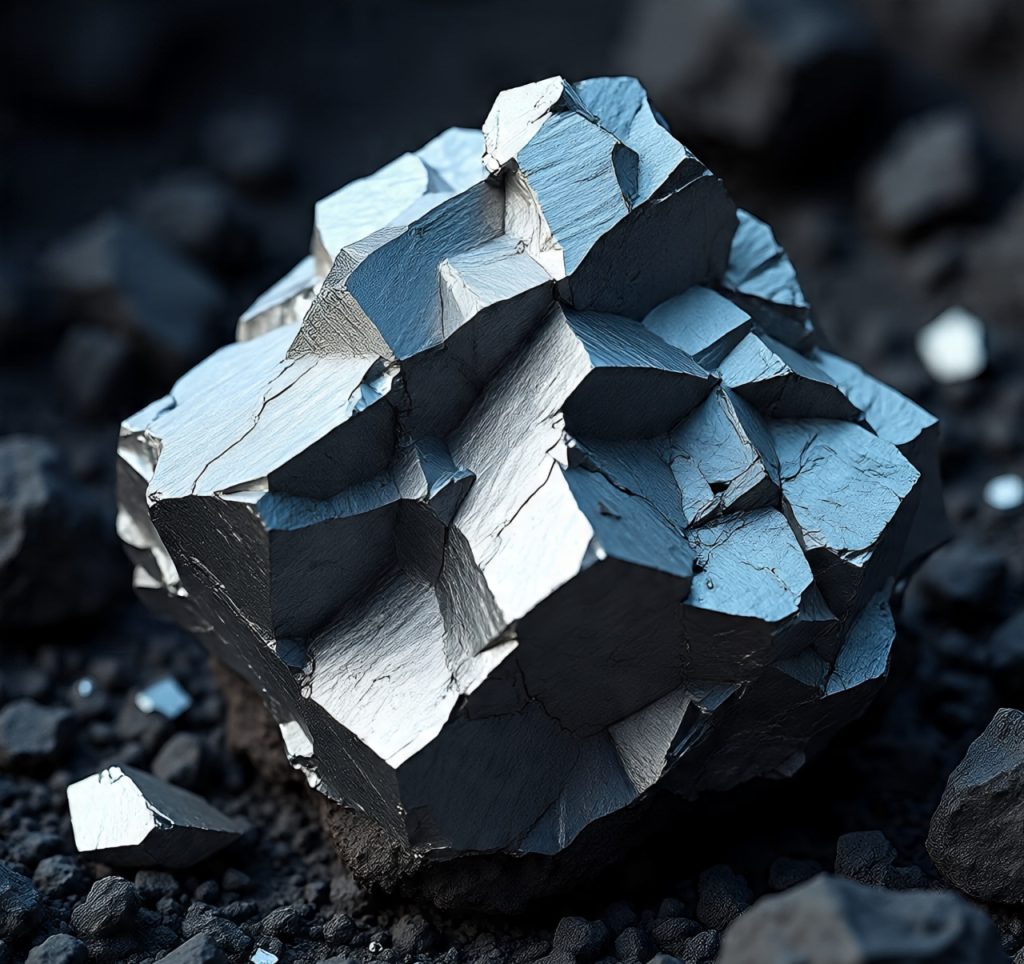
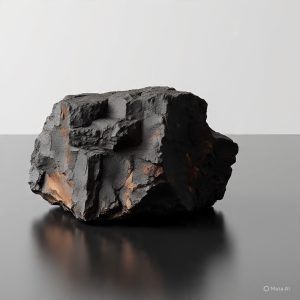
Coal is a fossil fuel composed primarily of carbon, formed from plant material subjected to high pressure and temperature over millions of years. It is one of the world’s most abundant and versatile energy sources.
Nigeria is blessed with an estimated 2.8 billion metric tons of coal reserves, mainly in Enugu, Kogi, Gombe, Benue, and Nasarawa States. Nigerian coal is known for its low sulfur and ash content, making it highly desirable in international markets.
Exporting coal involves mining, drying (if required), sorting by size and grade, packaging, and shipment via containers or bulk cargo vessels to industries and power plants worldwide.
📦 Export Forms & Specifications
-
Types of Coal Exported:
-
Lignite (brown coal) – low-rank, high moisture
-
Sub-bituminous – used in thermal power plants
-
Bituminous coal – commonly used for energy and metallurgy
-
Anthracite – high-grade, low volatile carbon-rich coal
-
-
Sizes:
-
Run-of-Mine (ROM)
-
Crushed coal (0–50mm or 10–50mm)
-
Sized lumps (25–50mm, 50–100mm)
-
-
Calorific Value:
-
Ranges from 4,500 to 6,500 kcal/kg depending on grade
-
-
Moisture: 5–15%
-
Ash Content: 7–15%
-
Sulfur Content: Less than 1%
-
Packaging Options:
-
50 kg or 100 kg woven sacks
-
1 MT jumbo bags
-
Bulk container loads (20FT or 40FT)
-
Open barge or vessel bulk cargo (for large volumes)
-

✅ Industrial Uses
-
Power generation (thermal coal for electricity)
-
Cement manufacturing
-
Steel production (metallurgical/coking coal)
-
Brick and tile factories
-
Domestic heating and energy for rural communities
📈 Global Market Demand
Coal remains a critical fuel in Asia and parts of Europe and Africa, particularly in countries like India, China, Vietnam, Turkey, Ukraine, and South Africa. Nigerian coal’s low sulfur and high combustion efficiency make it a cost-effective, eco-friendlier alternative.
With increasing global energy demand and high shipping costs from other coal-producing regions, African coal is becoming more attractive to international buyers.
🚢 Export Advantages
-
Nigeria’s coal is readily available and largely untapped
-
Low mining costs compared to other countries
-
High demand from Asia and Eastern Europe
-
Ideal carbon content for industrial use
-
Well-positioned ports in Lagos, Warri, and Calabar enable fast export logistics
📄 HS Code
-
2701.12.00.00 – Bituminous coal, not agglomerated
-
2701.19.00.00 – Other coal, not agglomerated
🛡️ Export Considerations
-
NEPC registration and relevant export permits
-
Environmental approvals (Federal Ministry of Environment)
-
Mining license or sourcing from licensed miners
-
Freight and bulk handling considerations
-
Buyer-specific requirements (size, moisture, ash level)
At SIKADE-WASAG MULTI PURPOSE LIMITED, we supply high-quality Nigerian coal for power plants, cement factories, and steel industries across the globe. Whether in bags, containers, or bulk shipments, our coal meets global industrial standards.
📞 For dependable coal export supply, reach out to us at adexgbada2023@gmail.com or call 08023063625 / 07071617748.